
Iodine, an essential trace element
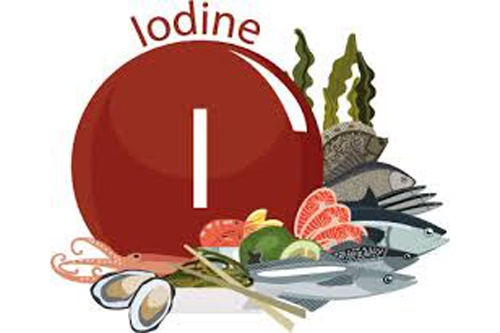
Iodine plays a significant role mainly in connection with the thyroid. It is necessary for the production of thyroid hormones, which in turn regulate important metabolic processes in the body. Iodine is a natural component of our diet. Although iodine is present in foods such as eggs, milk and meat, it is mainly found in seafood and seafood products, such as fish, molluscs, crustaceans and seaweed. As consumption of these products is often insufficient, ensuring an adequate intake of iodine is one of the most challenging tasks, even with a balanced diet. Various vegetables can also be a notable source of iodine. In addition, the use of iodised salt can increase the iodine content of food, although care should be taken not to use it excessively... Read more
The Importance of Iodine for the Thyroid
Iodine plays a crucial role in the normal production of thyroid hormones and contributes significantly to the normal function of the thyroid. As already explained, the thyroid is the internal thermostat of the human body and is sensitive to the availability of iodine. Its activity leads to the formation and release of specific hormones, the so‑called thyroid hormones (T3 and T4). These hormones regulate a variety of metabolic processes that affect all organs and systems in the body at all stages of life, beginning with foetal development. Metabolic functions governed by thyroid hormones include the growth and development of various organs, including the brain.
The Importance of Iodine for the Nervous System
Iodine plays a crucial role in the normal function of the nervous system. Our nervous system is responsible for controlling the mechanisms that enable nerve cells to carry out all the vital functions of our body, including the regulation of blood pressure and heart rate.
Iodine also contributes to:
- contributing to normal cognitive function.
- contributing to normal energy metabolism.
- contributing to the maintenance of normal skin.
What to Consider When Taking Iodine
Natural sources of iodine, such as seaweed (Seaweed), are particularly recommended. Seaweed is a valuable source of iodine. It supplies the body with significant amounts of iodine, essential omega‑3 fatty acids and numerous vitamins.
Among the best-known and most commonly used seaweeds are bladderwrack and kelp.